



Products



Frequently Asked Questions
What is a regenerative battery cycler?
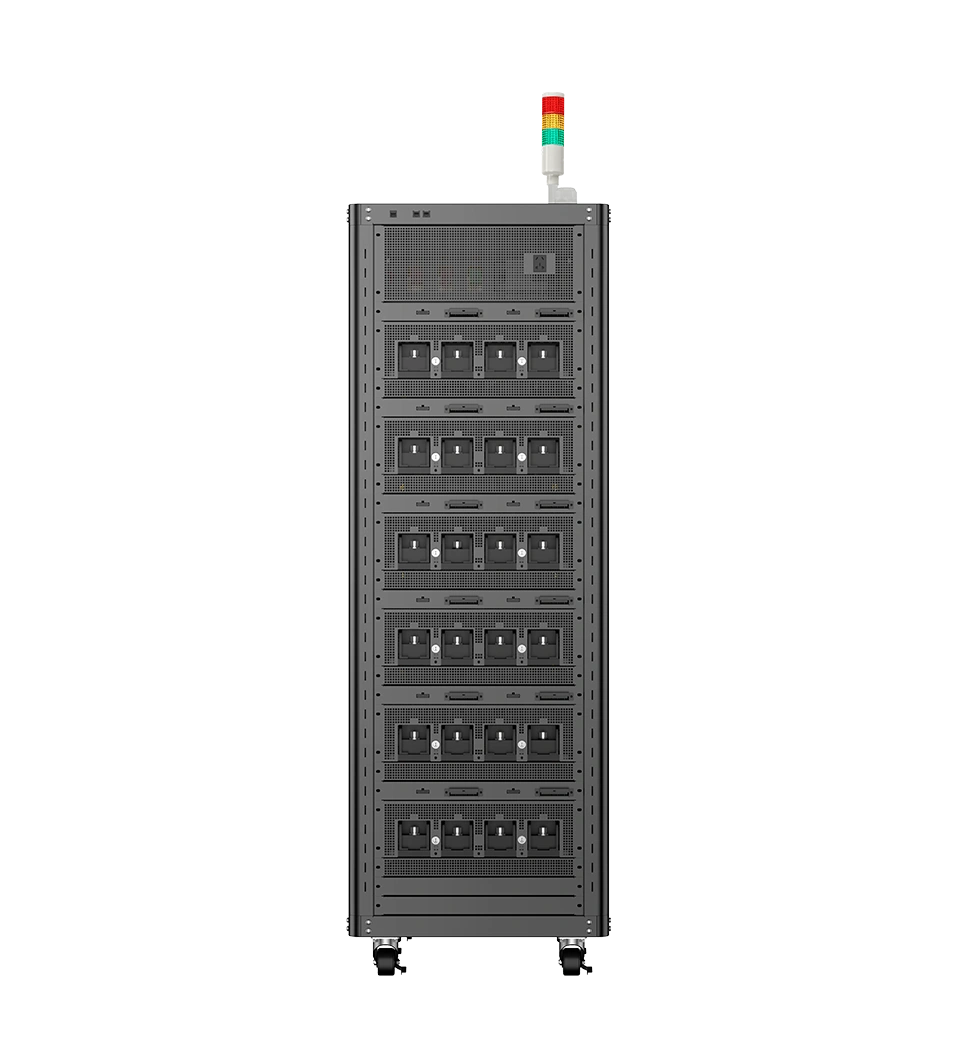
A regenerative battery cycler is a bi-directional test system that can both charge and discharge battery modules or packs while recovering the discharged energy and feeding it back into the grid or internal power bus. This reduces heat, lowers operational costs, and supports sustainable testing practices—ideal for EV battery pack testing, energy storage, and R&D and production cycling. The EA battery test systems boast over 96% energy efficiency.
What's the difference between a battery simulator and a battery test system?
A battery simulator, or emulator, mimics battery behavior for testing devices like chargers and BMS without real batteries. It simulates battery voltage, current, and behavior, letting engineers test devices like electric vehicles, chargers, or energy storage systems safely, reliably, and repeatedly under controlled conditions.
What is a lead-acid battery element tester?
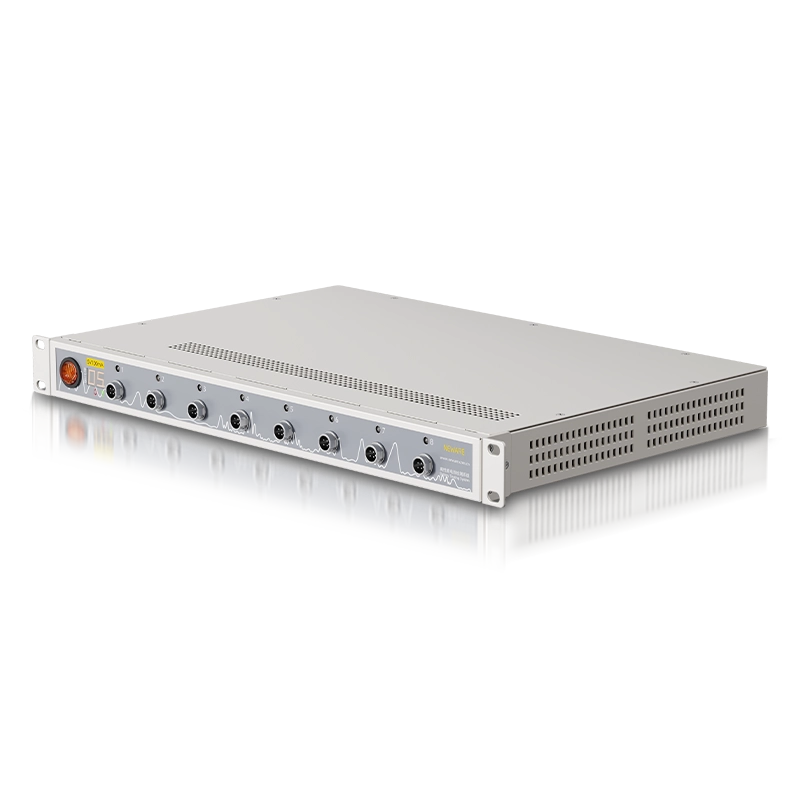
STS Instruments specializes in lead-acid battery fault detection. The 1656 & 1657 Battery Element Testers identify assembly-level insulation defects, including missing or damaged separators. Detecting faults before filling and charging helps prevent field failures and costly recalls. Choose the model that fits your needs.
Which battery tester is best for automotive or EV applications?
For automotive and EV battery testing, our EA regenerative battery test systems are the ideal choice. They handle the high voltages and currents required for module and pack-level cycling, support bidirectional power flow for realistic charge/discharge profiles, and recover over 96% of discharged energy — keeping running costs low during extended durability and lifetime testing. For cell-level characterisation and smaller modules, our bench-scale cyclers offer precision at lower power levels. Contact our team to discuss your specific voltage, current, and capacity requirements.
What safety features should I look for in a battery test system?
Key safety features include overvoltage and overcurrent protection, emergency stop functionality, temperature monitoring with automatic shutdown, and galvanic isolation between the device under test and the mains supply. For lithium-ion testing, look for systems with integrated contactor control and the ability to define safe operating area (SOA) limits for voltage, current, and temperature. Our EA battery test systems include comprehensive built-in safety functions as standard.
Can I test individual cells as well as full battery packs?
Yes. Battery test requirements vary widely depending on whether you are characterising individual cells in R&D, qualifying modules for production, or cycling full packs for durability testing. Our range covers cell-level testing at lower power through to high-voltage, high-current pack-level systems capable of handling the demands of EV and energy storage applications. Systems can be configured to match your specific voltage and current requirements.
What is the benefit of bidirectional power flow in battery testing?
Bidirectional power flow allows a battery test system to both charge and discharge a battery through the same power stage. During discharge, the energy drawn from the battery is recovered and fed back to the mains supply rather than being dissipated as heat. This dramatically reduces electricity costs and cooling requirements — particularly important for high-power or continuous-duty cycling applications where energy consumption would otherwise be significant.
Do you offer rental options for battery test equipment?
Yes. All battery test systems in our range are available for short-term and long-term rental as well as purchase. Rental is a practical option for project-based testing, evaluating equipment before committing to purchase, or scaling up capacity for peak demand periods. Rental units are supplied fully calibrated and ready to use, with full applications support included.